
DAAD Prize 2026
The prize of the German Academic Exchange Service (DAAD), endowed with EUR 1,000, distinguishes an outstanding international student who has excelled through particular academic performance as well as remarkable social or intercultural commitment.
Applicants for the DAAD Prize must be nominated by professors, international student advisors of the corresponding faculties or supervisors of the final thesis/dissertation. These applicants may also have graduated just recently.
Information on application and awarding
Suitable students can be nominated by professors, deans, Vice-Presidents, International Affairs Officers and teaching staff.
- have excellent academic achievements, grade point average between (1.0) and (1.7),
- are socially and/or interculturally committed,
- are foreign students*) and do not have German citizenship,
- are pursuing a degree at TU Dortmund University (nomination of guest or exchange students is not possible),
- are at least in their 3rd semester (Bachelor's) or 2nd semester (Master's) or are young graduates (the degree should not be more than 3 months old at the time of the award ceremony) or doctoral candidates.
*) Foreign students are international students who have acquired their higher education entrance qualification abroad or have supplemented their school qualifications acquired abroad with a German preparatory college.
- Nomination letter from the dean, professor, thesis supervisor or representative for international students.
- If the commitment is within TU Dortmund University, a letter of recommendation from a university employee stating the commitment on an academic and social, societal or intercultural level is required.
- If the commitment is outside TU Dortmund University, a letter of recommendation from a management position stating the commitment on a social, societal or intercultural level is required.
- Current curriculum vitae.
- Current overview of grades.
- Current certificate of study.
- Letter of motivation (max. 1 page)
- Proof(s) or certificates of voluntary work.
The selection is made by a selection committee of the International Office and the Vice-Rectorate for International Affairs. The DAAD prize is presented during the Come2Campus welcome event in the winter semester .
-
Nomination letter:
- A nomination letter is used to propose a particular student for the DAAD Prize. It usually contains information about the nominee's achievements, qualifications and special skills that make him or her suitable for the award. The aim is to convince the selection committee of the nominee's suitability.
-
Letter of recommendation:
- A letter of recommendation, on the other hand, is often written at the request of a student to demonstrate their abilities and social commitment. In this letter, the author emphasises the student's social strengths and provides personal insights into their achievements and commitment.
FAQ
Foreign students who are enrolled at a German university (no visiting or exchange students) and are pursuing a bachelor’s (at least 2nd or 3rd year) or master’s degree (at least 2nd semester) can be nominated.
Furthermore, students must show good academic performances (average grade 1.0 to 1.7) and social commitment within the TU Dortmund University community or off-campus. Young graduates and doctoral candidates can also be nominated.
Foreign students (Bildungsauslaender) are international students who have acquired their higher education entrance qualification abroad or who have completed school qualifications acquired abroad at a German preparatory college.
No. International students can only be nominated by faculty professors, lecturers or international student representatives.
Applications can be submitted either directly by the students themselves or by a nominating person or office. All documents must be uploaded in full via the online application form and submitted on time.
If any documents are found to be missing after submission, they cannot be added later. Instead, a complete new application must be submitted through the online form, which must also be sent within the deadline.
Yes, if the degree does not date back longer than three months at the time of the prize awarding ceremony.
No, the DAAD Prize is not a research prize. If possible, it should be awarded to students, and then possibly to doctoral candidates.
No, the prize may only be awarded once.
The prize is endowed with EUR 1,000. The payment will be made after the prize awarding ceremony.
The DAAD Prize awarding ceremony is documented in a press report on the university's website.
Former DAAD Prize Winners
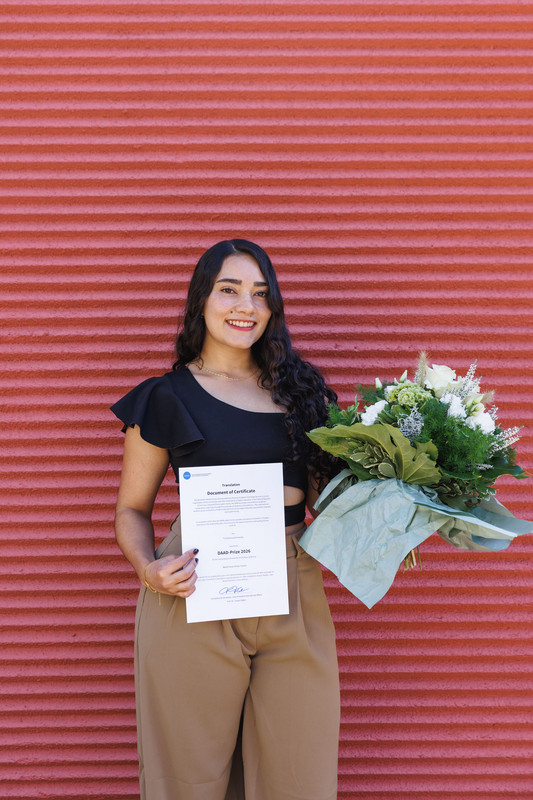
2026: Maria Paula Gómez (Department of Mechanical Engineering)
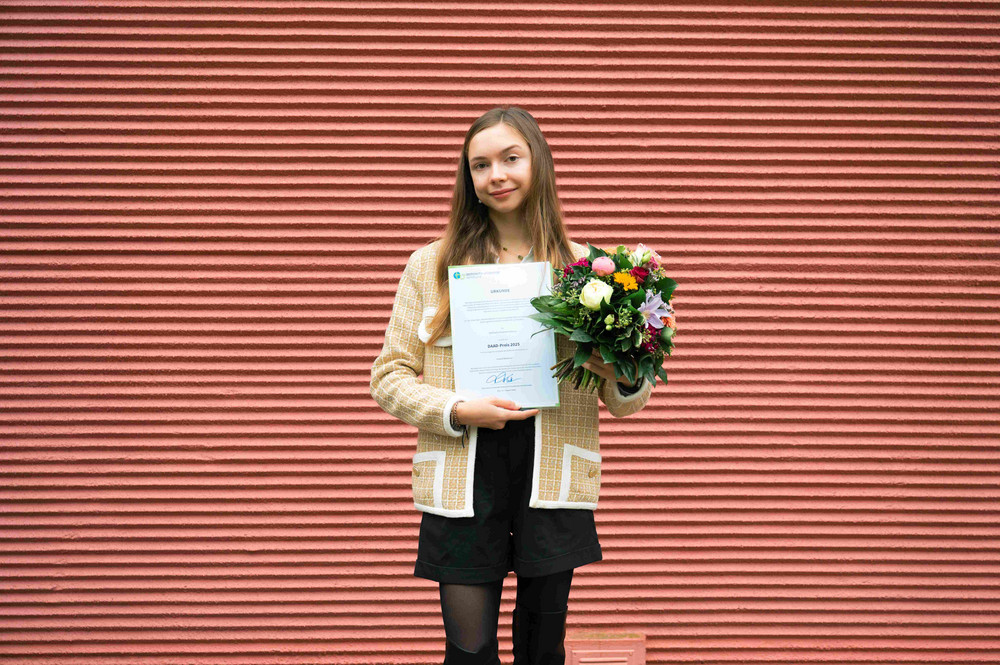
2025: Arseniia Mikhailova (Department of Statistics)
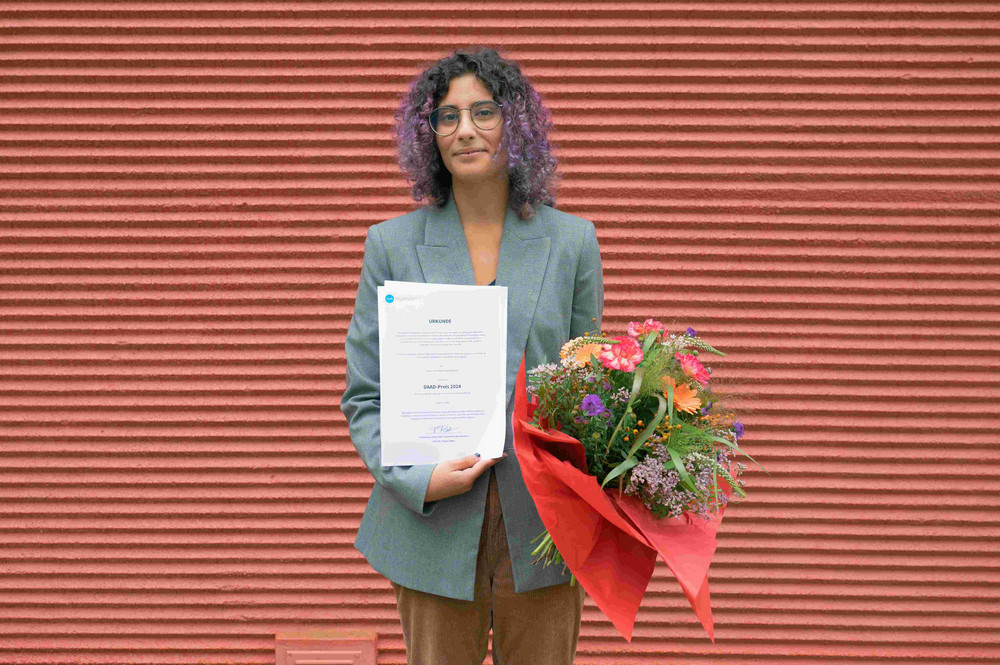
2024: Leonor Cunha (Department of Statistics)
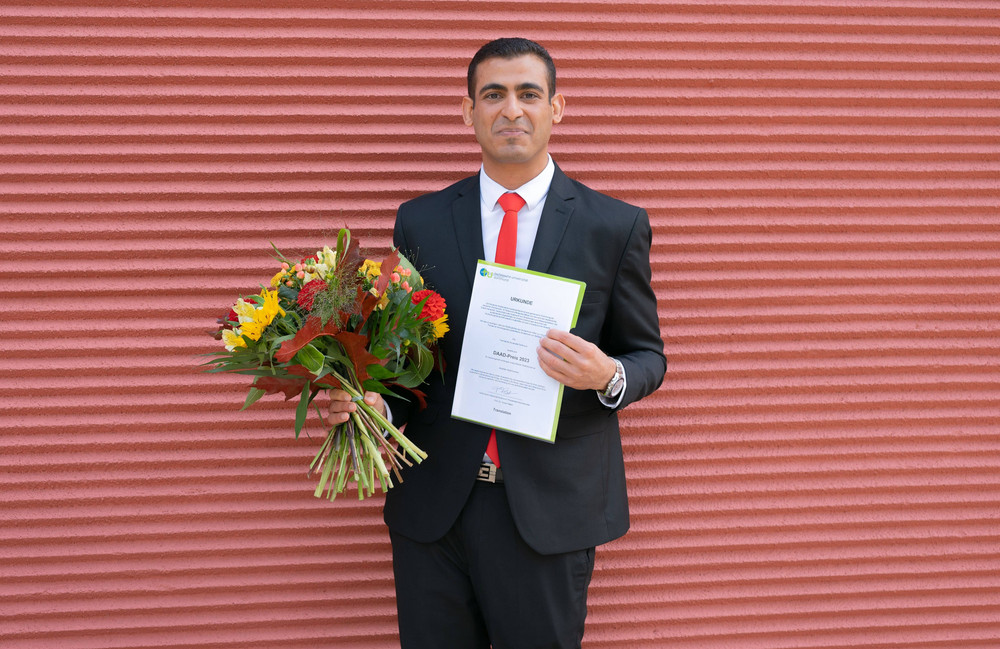
2023: Abdallah Abdelmonaem (Department of Mechanical Engineering)
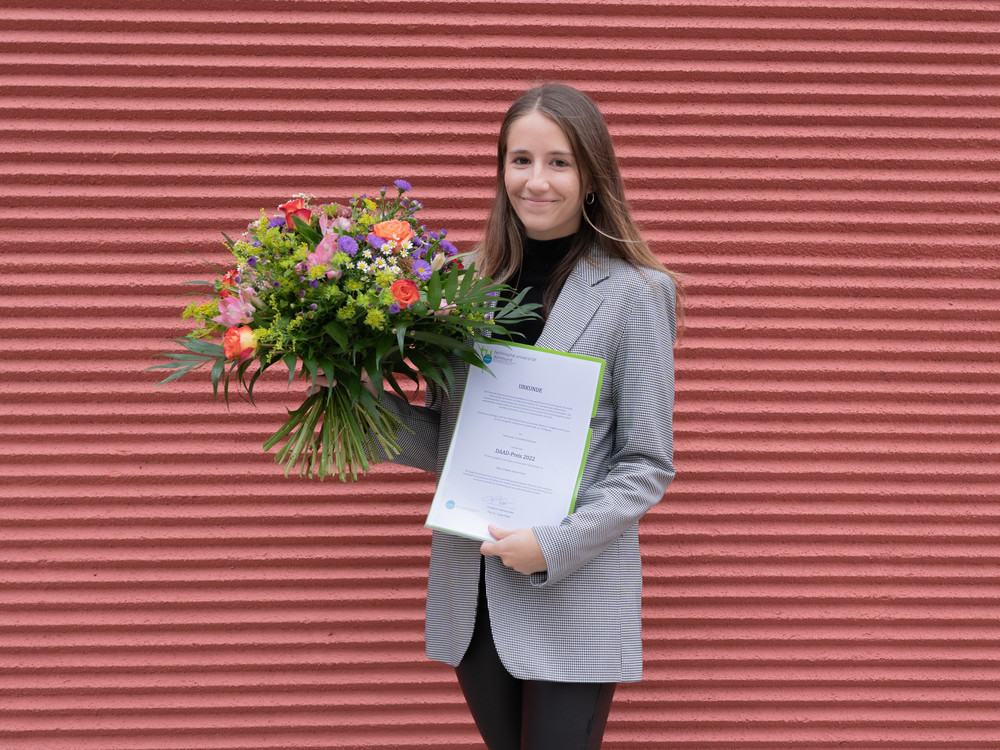
2022: María Ángeles García Flores (Department of Statistics)
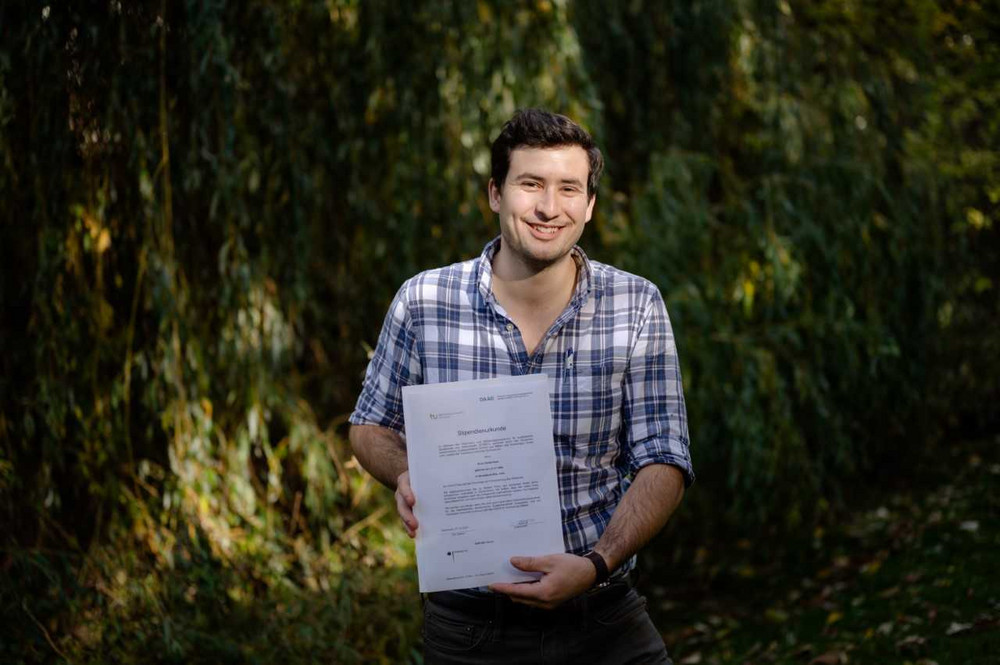
2021: Brian Hess (Department of Cultural Studies)
2020: Denis Belonogov (Department Electrical Engineering and Information Technology)
-
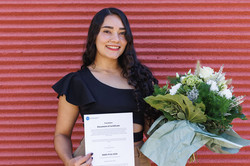
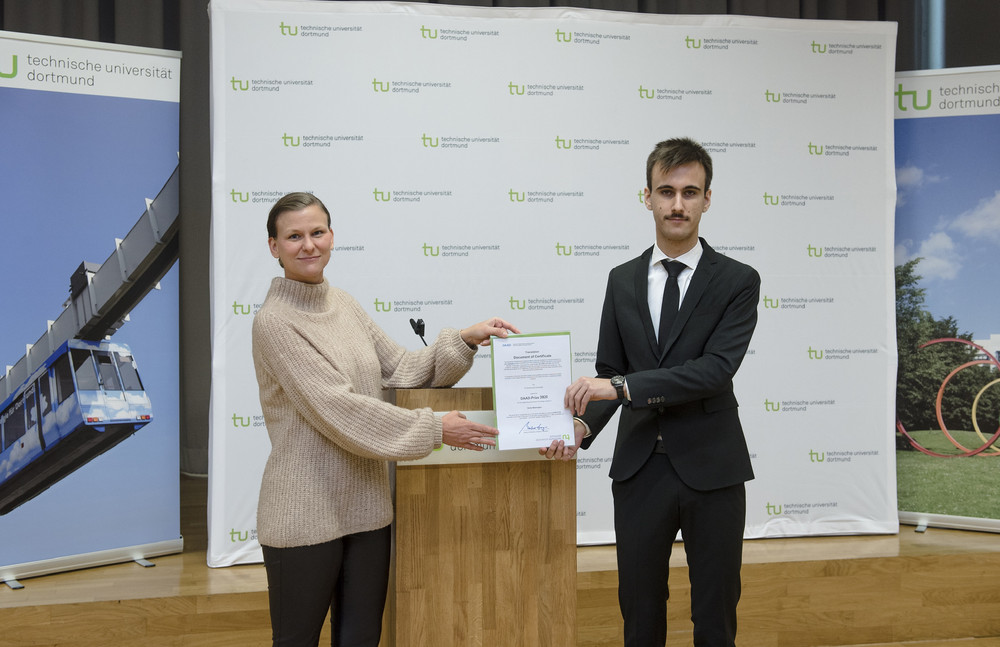
Siegerin des Daad-Preis 2026: Maria Paula Gómez -
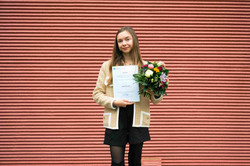
Siegerin des Daad-Preis 2025: Arseniia Mikhailova (Fakultät Statistik) -
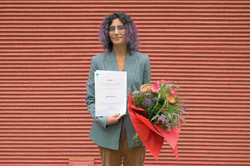
Winner of the Daad-Prize 2024: Leonor Cunha (Department of Statistics) -
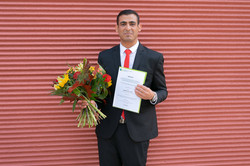
Winner of the Daad-Prize 2023: Abdallah Abdelmonaem (Department of Mechanical Engineering) -
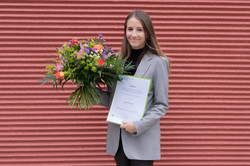
Winner of the Daad-Prize 2022: María Ángeles García Flores (Department of Statistics) -
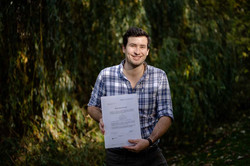
Winner of the Daad-Prize 2021: Brian Hess (Department of Cultural Studies) -
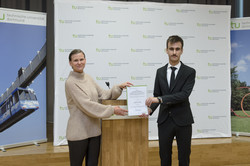
Winner of the Daad-Prize 2020: Denis Belonogov (Department Electrical Engineering and Information Technology) -
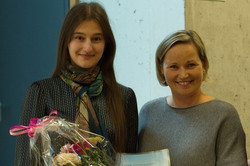
Winner of the Daad-Prize 2019: Elena Shashko (Department of Computer Science) -
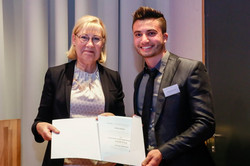
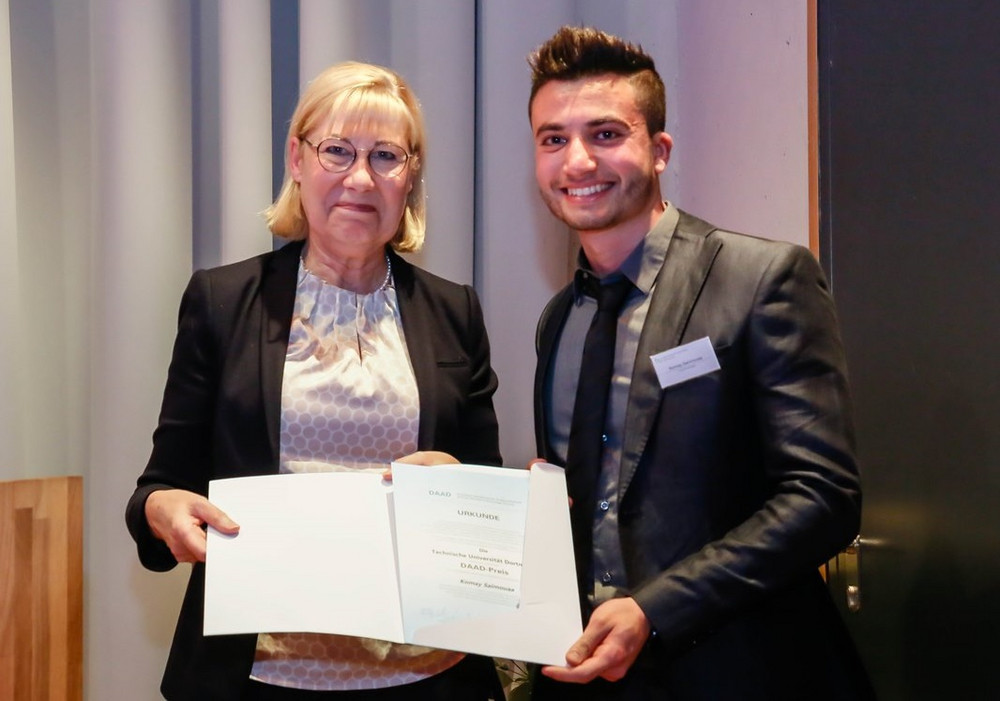
Winner of the Daad-Prize 2018: Komay Saimouaa (Department of Computer Science) -
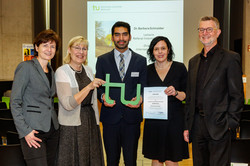
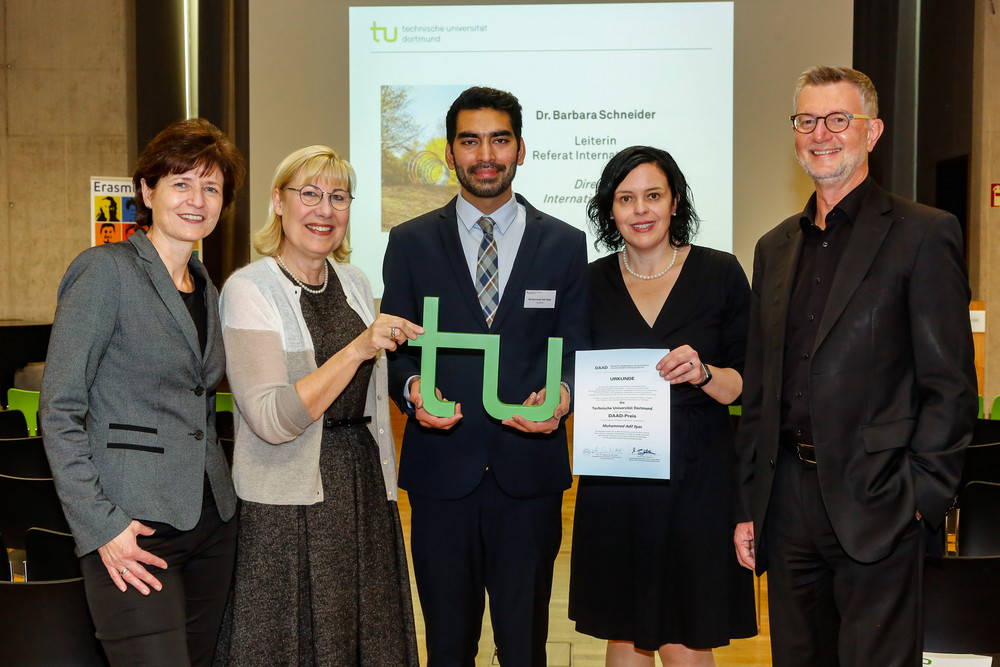
Winner of the Daad-Prize 2017: Ahmed Adeil Ilyas (Department of Mechanical Engineering) -
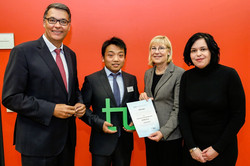
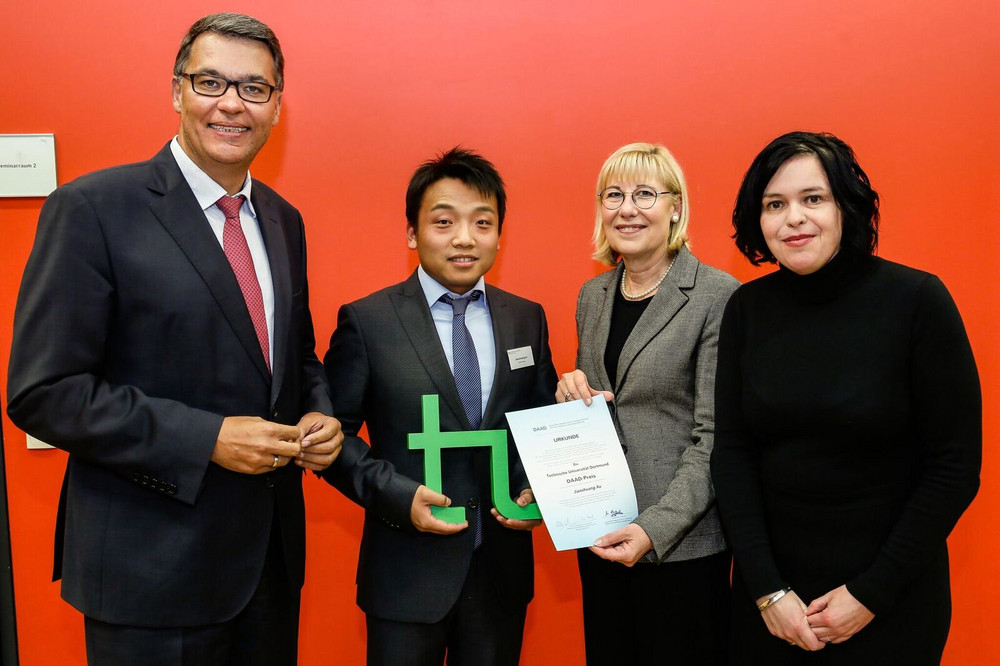
Winner of the Daad-Prize 2016: Jianshuang Xu (Department of Electrical Engineering and Information Technology) -
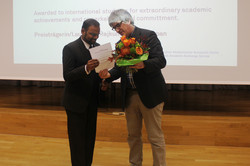
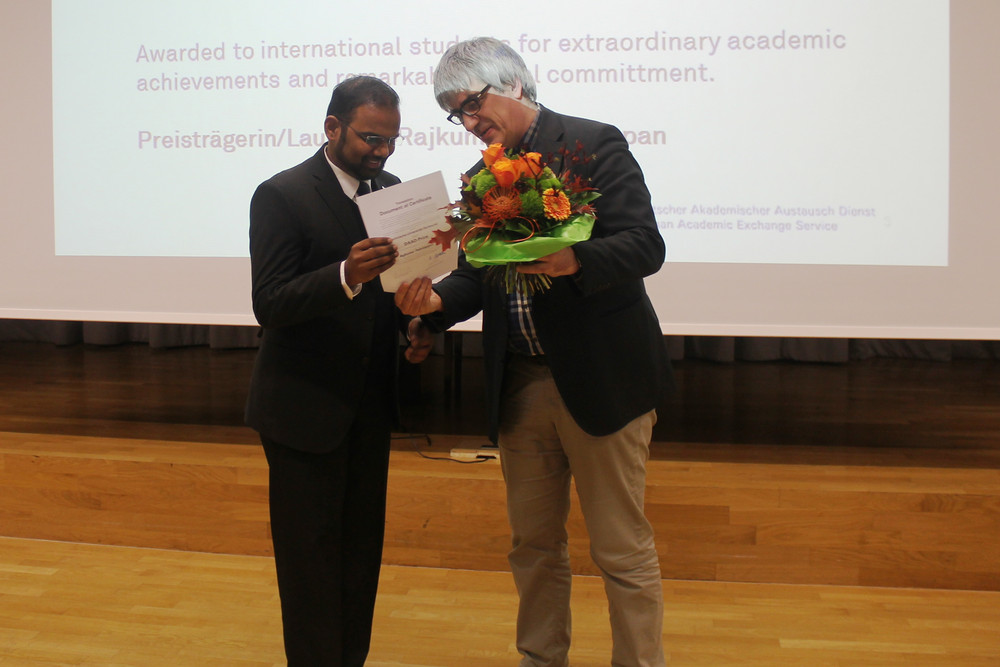
Winner of the Daad-Prize 2015: Rajkumar Palaniappan (Department of Electrical Engineering and Information Technology) -
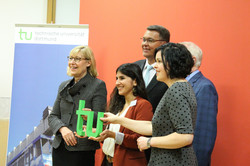
Winner of the Daad-Prize 2014: Esmeray Üstünyağız (Department of Mechanical Engineering) -
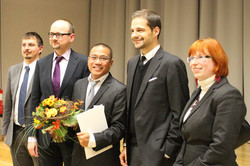
Winner of the Daad-Prize 2013: Kristian Aknolt Pakpahan (Department of Humanities and Theology)

Interviews with DAAD-Prize Winners
- Moving from Colombia to Dortmund means travelling a great geographical distance and starting a new chapter in a different cultural environment. What was your experience of arriving in Germany and beginning your life as an international student?
Moving to Germany meant entering a new environment, discovering a different culture, and adapting to a new way of life. Starting a new chapter abroad brings both exciting opportunities and challenges, particularly when you are far away from home.
- What has been the biggest challenge you have faced as an international student, and what has helped you overcome it?
Adapting to a new environment requires openness, patience, and perseverance. Building connections and finding your place in a new community are important parts of this process.
- How important is your Colombian identity to you while living in Germany?
My Colombian identity remains an important part of who I am. Living abroad gives me the opportunity not only to discover another culture but also to share my own background and experiences with people here in Germany.
- What would you like German students and friends to learn about Colombia through you?
I would like to share the richness of Colombian culture and help people discover more about my country beyond the stereotypes. Cultural exchange allows us to learn from one another, appreciate our differences, and recognise what we have in common.
- What does receiving the DAAD Award mean to you personally?
Receiving this award is a meaningful recognition of my academic achievements and my commitment to contributing to the university community. I am grateful for this recognition, which encourages me to continue developing both academically and personally.
- What advice would you give to other international students who are just beginning their journey in Germany?
Be open to new experiences, do not be afraid to ask for help, and take the initiative to meet people and get involved. Adjusting to a new country takes time, but every experience can help you grow. Stay connected to your roots while embracing the opportunities that life in Germany offers.

- How did you come to the decision to study in Germany or at TU Dortmund University?
Actually, I have dreamed of studying abroad ever since I was a child. At school, I started learning German, but only one year later I changed schools and could no longer continue learning German there. So I continued studying it on my own because I liked the language so much. Through that, I also began to understand German culture a little better. As a result, my motivation to study in Germany grew, and in eleventh grade I decided to take part in the program “Studienbrücke”. This program gives you the opportunity to study at a university immediately after school without attending a preparatory college, which would otherwise not be possible. Studying here in German was unfamiliar at first, but since I was already at C1 level, I was able to settle in quickly.
- Did you find “arriving” in Germany challenging?
At the beginning, I realized that I was responsible for building new networks myself. I did not have any friends when I arrived, of course, so I put in a lot of effort to meet new people. It helped me a lot that I took every opportunity to get to know others. Two years ago, I also took part in “Come2Campus” and met other students there, some of whom became my friends. At the beginning of my studies, I started a small blog to feel less alone. At first, it was simply an outlet for me. I wrote about my studies, my life, and my experiences in Germany. Today, it has become a platform that inspires other young people to take the step of coming to Germany as well. I am proud of that.
For many international students, it is challenging when you realize that you have to take full responsibility for your own life. By that, I do not only mean doing the household chores or things like that, but also building networks and finding your way in a university system that places great value on independence. You are an adult now and are even living in a new country. If you do not become active yourself, it can become really difficult.
- You are very involved alongside your studies. What motivates you the most?
Ever since I was a child, I have truly loved helping other people - both in my studies and in general. For example, I can never say “no.” If I cannot help directly, I always try at least to give advice or support someone in some practical way. When I arrived in Germany at the age of 17, I was supported by my friend Svetlana and that helped me incredibly much! I can hardly imagine how I would have managed the move without help.
- In your acceptance speech, you described that it feels as if you have gained almost ten years of life experience in the past two years. What advice would you give to other students who are just starting their studies?
You do not have to be perfect. You do not need perfect language skills or perfect conditions. What counts is curiosity, perseverance, and a willingness to learn. It does not matter how difficult the beginning is. Stay open, seek help, do not be afraid of challenges and never lose your sense of humor.
We must not forget: We are a new generation of students. We overcome borders, we build bridges, and we shape the future.

- Why did you decide to study at TU Dortmund University?
When I studied economics in my Bachelor program in Lisbon, Portugal, I found that I really liked econometrics. There are only few econometric programs and I think that the curriculum at TU Dortmund University is very interesting. It is not only based on economics but also puts an emphasis on mathematics and statistics.
- In addition to your academic achievements, you are also very active in volunteer work. Where does you motoviation come from?
When you don’t know many people, getting involved is a very good way to meet other students. Also, I started my Bachelor during Covid, so there was no university life whatsoever. When I arrived here, I could catch up doing these things that I like to do, because there is a lot of university life at TU Dortmund University.
- Did you find it easy to access these groups that you are now involved in, to find a job etc.?
My student job was offered to me by the academic staff, because I had very good grades. When I moved here, my flatmate introduced me to the student council. Through the student council, I discovered lots of other groups and became part of a network.
- Do you have a special piece of advice that you would like to give other students who hesitate to get involved in student groups?
Everyone is very welcoming here – just show up and try it out! If you don’t like it, leave it and try something else. Nobody will be offended if you quit a group after two or three meetings to do something else, that is totally normal.
- What about the German language?
Everything is ten times harder if you don’t speak the language and it can be very draining to be constantly translating things in your head. You can improve your skills by taking some of the university’s free language courses. You can choose between many courses so you don’t have any schedule conflicts.
- If someone would also like to apply for the DAAD Prize next year, what would you recommend?
Just do your best and something good will come from it!
Contact
If you have any questions, please contact the Social Counseling for International Students under: social.counseling@tu-dortmund.de
Consultation in person/on site takes place every Tuesday from 10.30 a.m. to 11.30 a.m. in Emil-Figge-Str. 61, 44227 Dortmund (2nd floor) and is only possible with a prior online appointment.
Appointment by phone or digitally via Zoom can also be arranged. Please send us your appointment requests to our e-mail address.